Upcoming Indian & Global Groundnut Crop Deficits, Rain Shortages, and Bullish Price Projections
Global & Domestic Supply Deficit Drivers
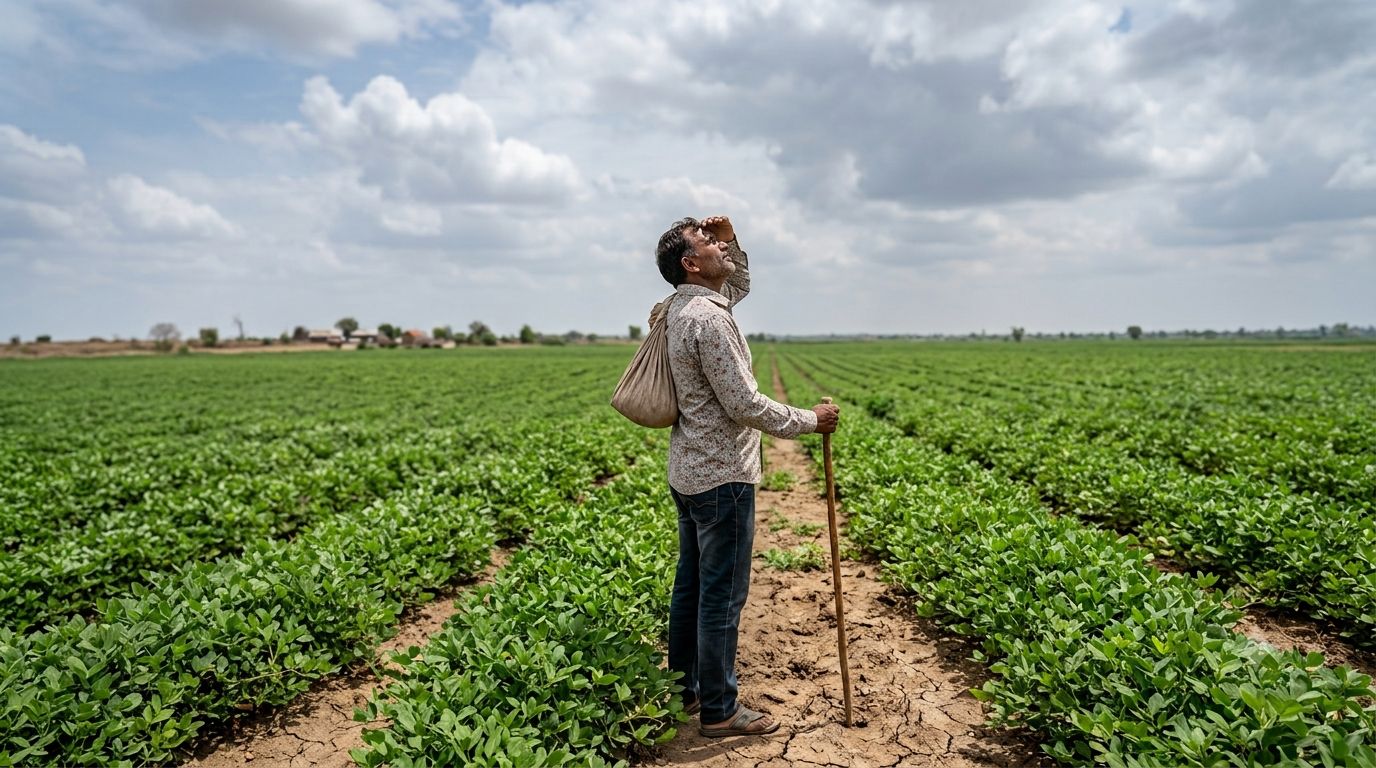
In India, severe dry spells and a shortfall in monsoonal precipitation across key growing belts have led to an estimated ~25% reduction in total peanut crop output for the upcoming season. The persistent rain shortage during critical flowering and pod-filling phases has raised serious concerns over crop outturns, pod sizes, and seed quality. In the United States, USDA crop reporting points to a major contraction of ~22–25%, driven by severe rain shortages and reduced acreage. China, by contrast, has maintained stable production aligned with last year's yields, but local processing and domestic food consumption will absorb most of its internal supply, limiting aggressive export availability.
Demand Dynamics & Domestic Price Squeeze
India's domestic peanut oil and food processing demand continues its multi-year upward trajectory, with local crushers and shellers aggressively bidding up prices at local mandis and comfortably outbidding overseas export parity levels. Anticipating multi-year shortages, commercial stockists and traders have begun cornering early arrivals — a speculative holdout that will sharply limit market arrivals and create physical supply squeezes once harvesting peaks. Premium Indian export varieties (Bold, Java, and TJ) are set to see steep price escalations as soon as new-crop commercial flows begin.
Market Valuation & Price Outlook
Current spot prices for Indian Bold peanuts (40/50, 50/60 count) are holding near $1,180 to $1,190 USD/MT FOB India Ports, representing the absolute seasonal price bottom. With rain shortages directly impacting outturn percentages, a combined ~25% supply contraction across both India and the US is expected to force a major upward repricing across all global origins.
Executive Summary & Actionable Advice
All key structural market factors — rain deficits, low outturn expectations, US/India crop cuts, strong domestic consumption, and stockist hoarding — point toward an imminent, aggressive price rally. Buyers are strongly advised to secure long-term physical positions at the current 52-week low FOB pricing ($1,180–$1,190 USD/MT) before new-crop arrivals trigger a price surge.